
-
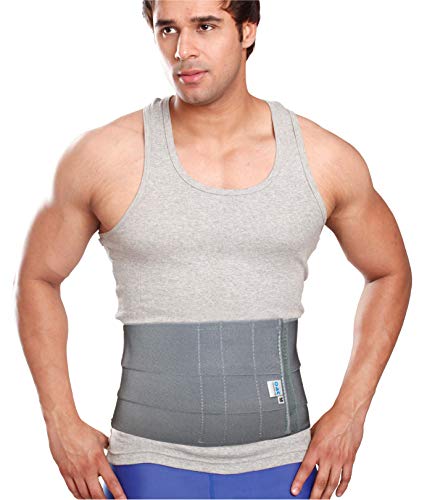
Abdominal Support Belt for Waist Compression & Post-Surgery TYNOR L-03
20% OFFRegular price ₹ 464.00Regular price MRP Sale price ₹ 464.00Unit price per₹ 580.00MRP incl.of all taxesSale -
Sacra Lumbar Belt for Lower Back Pain Relief VISSCO P.C.NO. 0101
20% OFFRegular price ₹ 820.00Regular price MRP Sale price ₹ 820.00Unit price per₹ 1,025.00MRP incl.of all taxesSale -
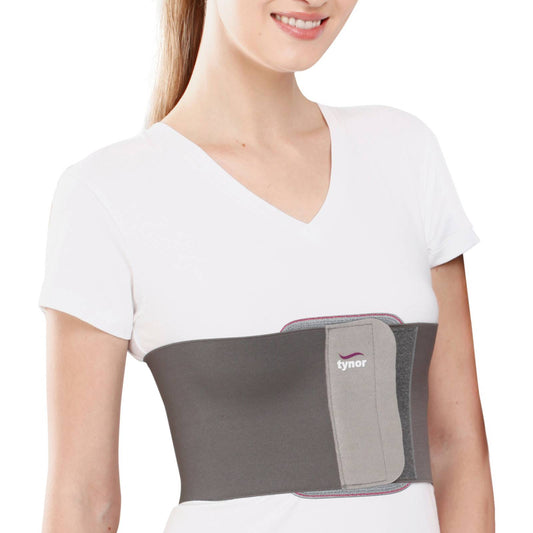
Rib Belt Support for Rib Fracture & Post-Operative Care Grey Tynor A-09
20% OFFRegular price ₹ 568.00Regular price MRP Sale price ₹ 568.00Unit price per₹ 710.00MRP incl.of all taxesSale -
Lumbar Support Belt for Back Pain & Posture Relief Vissco P.C.NO. 0102
14% OFFRegular price ₹ 880.00Regular price MRP Sale price ₹ 880.00Unit price per₹ 1,025.00MRP incl.of all taxesSale -
Abdominal Belt 8″ Post-Surgery & Maternity Support TYNOR A-03
19% OFFRegular price ₹ 778.00Regular price MRP Sale price ₹ 778.00Unit price per₹ 972.00MRP incl.of all taxesSale -
Saliac Lace pull Belt for Firm Lower Back Support Visco P.C.NO. 0127
20% OFFRegular price ₹ 1,240.00Regular price MRP Sale price ₹ 1,240.00Unit price per₹ 1,550.00MRP incl.of all taxesSale -
Rib Support Belt for Fractures & Post-Surgery Care VISSCO P.C.No. 0801
14% OFFRegular price ₹ 599.00Regular price MRP Sale price ₹ 599.00Unit price per₹ 700.00MRP incl.of all taxesSale -
Neoprene Lumbar Belt for Lower Back Support & Pain Relief Vissco P.C.NO. 1405
20% OFFRegular price ₹ 1,880.00Regular price MRP Sale price ₹ 1,880.00Unit price per₹ 2,350.00MRP incl.of all taxesSale -
Neoprene Lumbar Support Belt 6" for Lower Back Pain Relief VISSCO P.C.NO. 1406
20% OFFRegular price ₹ 1,680.00Regular price MRP Sale price ₹ 1,680.00Unit price per₹ 2,100.00MRP incl.of all taxesSale -
Lumbo Support Back Support & Pain Relief Belt Tynor A-15
19% OFFRegular price ₹ 960.00Regular price MRP Sale price ₹ 960.00Unit price per₹ 1,196.00MRP incl.of all taxesSale -
Lumbo Sacral Belt Support for Lower Back Pain Tynor A-05
20% OFFRegular price ₹ 930.00Regular price MRP Sale price ₹ 930.00Unit price per₹ 1,163.00MRP incl.of all taxesSale -
LS Belt Lumbopore Lumbar Back Support Grey Tynor A-04
20% OFFRegular price ₹ 1,199.00Regular price MRP Sale price ₹ 1,199.00Unit price per₹ 1,499.00MRP incl.of all taxesSale -
Lower Back Support Belt for Pain & Spine Stability VISSCO P.C.NO. 2101
10% OFFRegular price ₹ 1,011.00Regular price MRP Sale price ₹ 1,011.00Unit price per₹ 1,135.00MRP incl.of all taxesSale -
Lacepull L.S. Belt Advanced Lumbar Support Grey Tynor A-30
20% OFFRegular price ₹ 1,492.00Regular price MRP Sale price ₹ 1,492.00Unit price per₹ 1,865.00MRP incl.of all taxesSale -
Firm Spinal Support Belt for Severe Back Conditions Vissco P.C.NO. 0105
9% OFFRegular price ₹ 1,092.00Regular price MRP Sale price ₹ 1,092.00Unit price per₹ 1,200.00MRP incl.of all taxesSale -
Contoured L.S. Support Advanced Lumbar Immobilizer Grey Tynor A-07
19% OFFRegular price ₹ 1,110.00Regular price MRP Sale price ₹ 1,110.00Unit price per₹ 1,384.00MRP incl.of all taxesSale
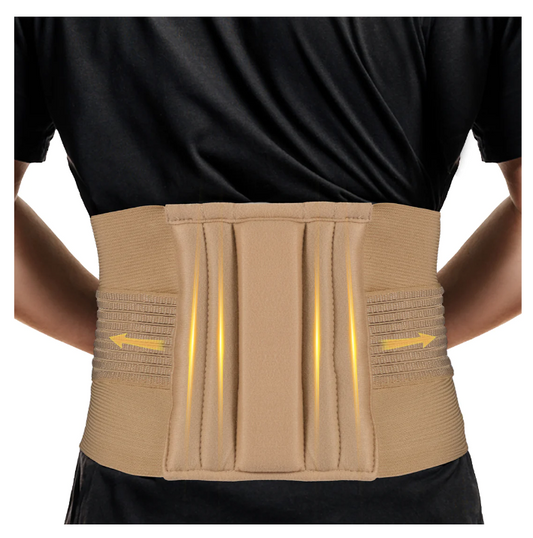
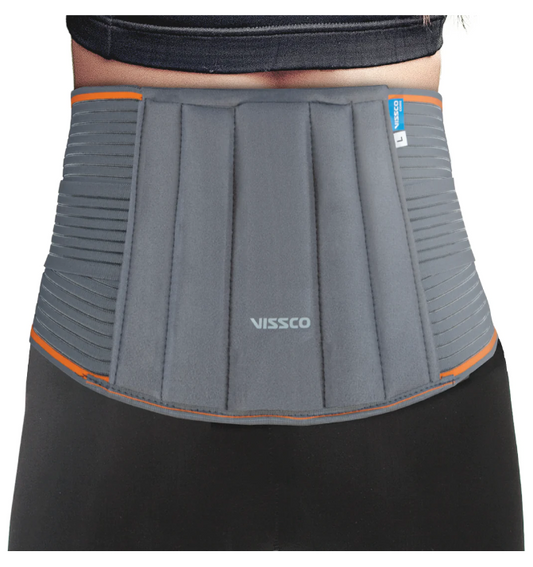

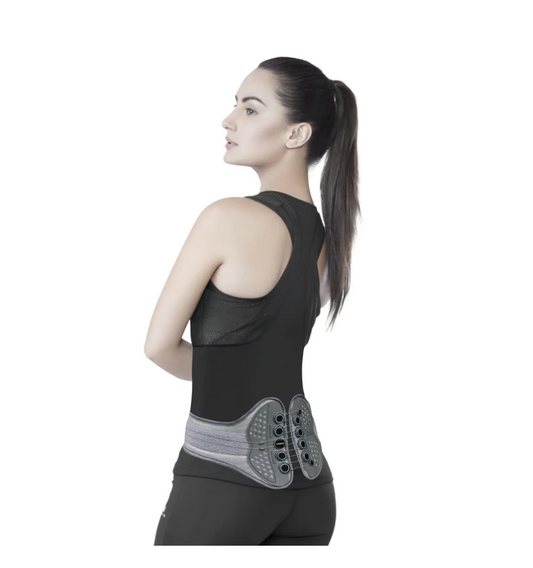
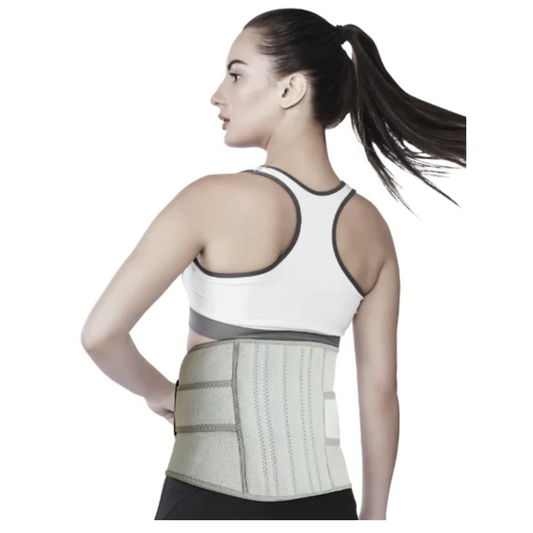
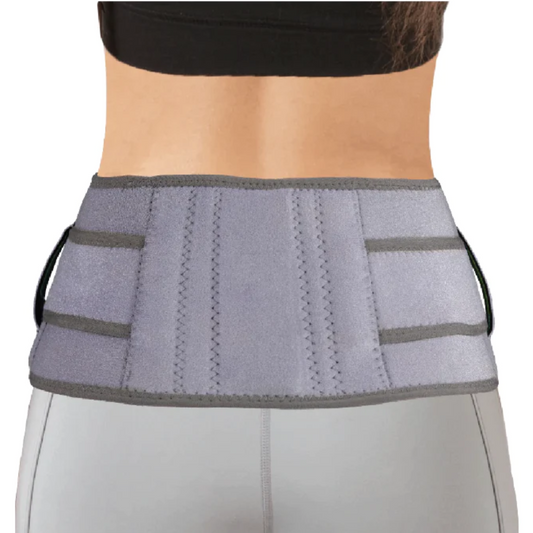

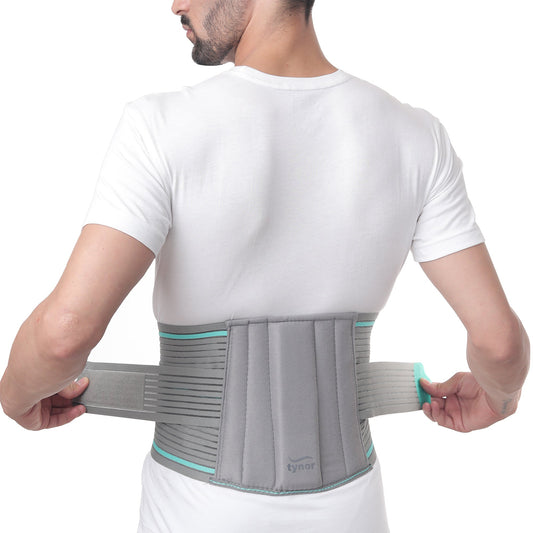
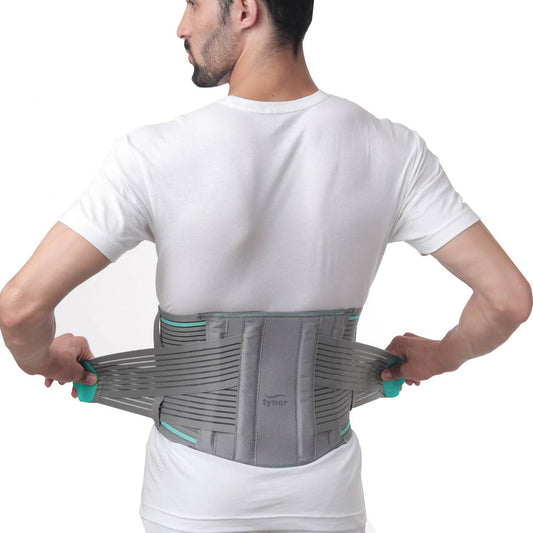
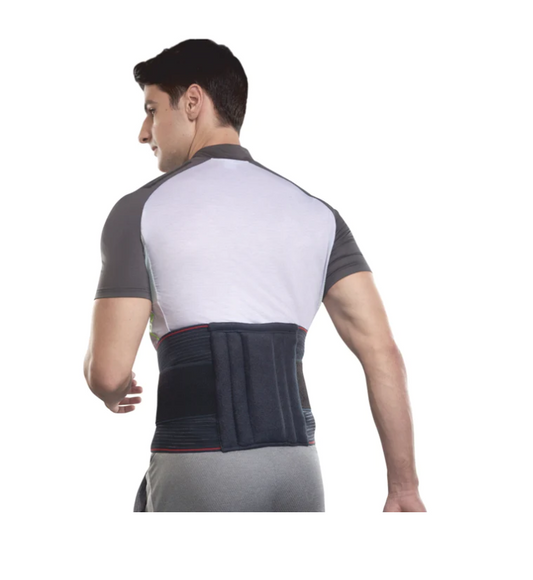

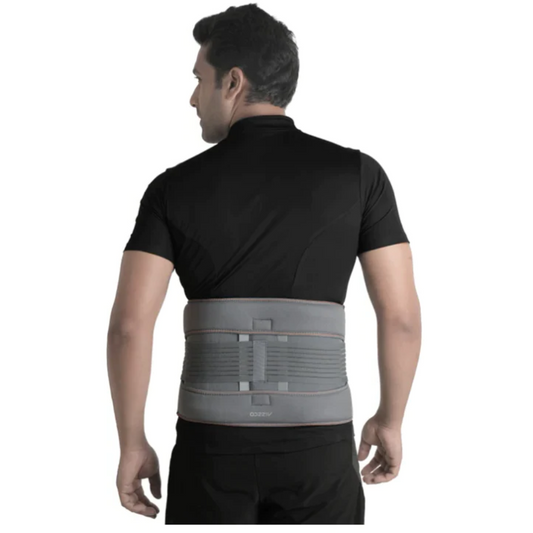
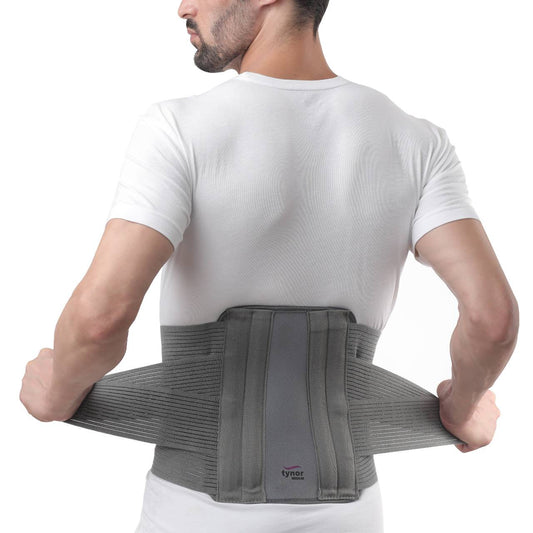
A good lumbar support belt helps stabilise the lower back, reduce strain during long sitting hours, and improve posture while walking or working. If your day involves driving, desk work, lifting, or frequent bending, a proper lower back support belt can make movement feel smoother and less guarded. Many people wait too long to use one. Pain is not a badge of honour. Support early and recover faster. Try our lumbar support belts.
Support needs change with age and routine. A back support belt for men is often chosen for lifting, warehouse work, gym training, or travel. A back support belt for women may be preferred for household strain, prolonged standing, or postural fatigue. Seniors often benefit from lightweight braces that offer gentle compression without feeling bulky. Browse options like back support belts and orthopedic back support.
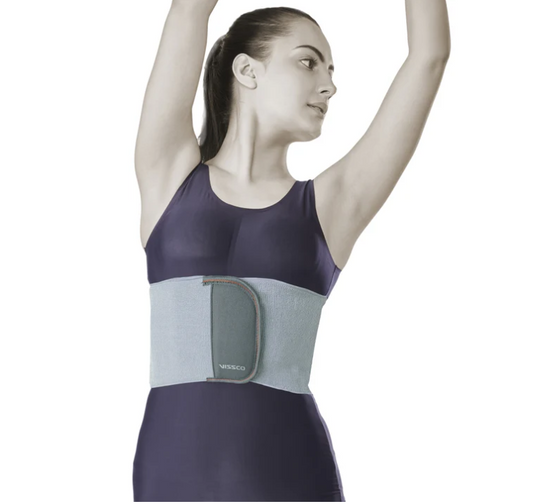
Recovery after coughing strain, minor injury, surgery, or chest wall discomfort often calls for more targeted support. A rib support belt can help reduce excessive movement during healing. A chest support belt may be used where compression is advised. For abdominal stability, postpartum recovery, or core support, explore an abdominal support belt or stomach support belt. Many users underestimate how much controlled compression improves day-to-day comfort.
When regular elastic belts are not enough, structured braces with pull straps or rigid stays can offer better immobilisation. Products like lacepull LS belt, eco frame back support, and saliac lacepull belt are useful for recurring pain, disc-related instability, or post-treatment support when recommended by a clinician.
Start with the pain location. Lower back pain usually needs a lumbar or LS support belt. Rib discomfort may need a rib belt. Core weakness may need abdominal support. Then check size carefully, breathable fabric, strap adjustability, and whether you need flexible or firm support. If you ask how to wear a back support belt, the answer is simple: snug, supportive, and never painfully tight.


The best option depends on pain severity and activity level. Mild muscle strain may need flexible compression, while recurring pain may need a structured LS belt. Look for breathable fabric, adjustable straps, and proper sizing.


